Section 1: Intro
An eclectic and varied Island collection
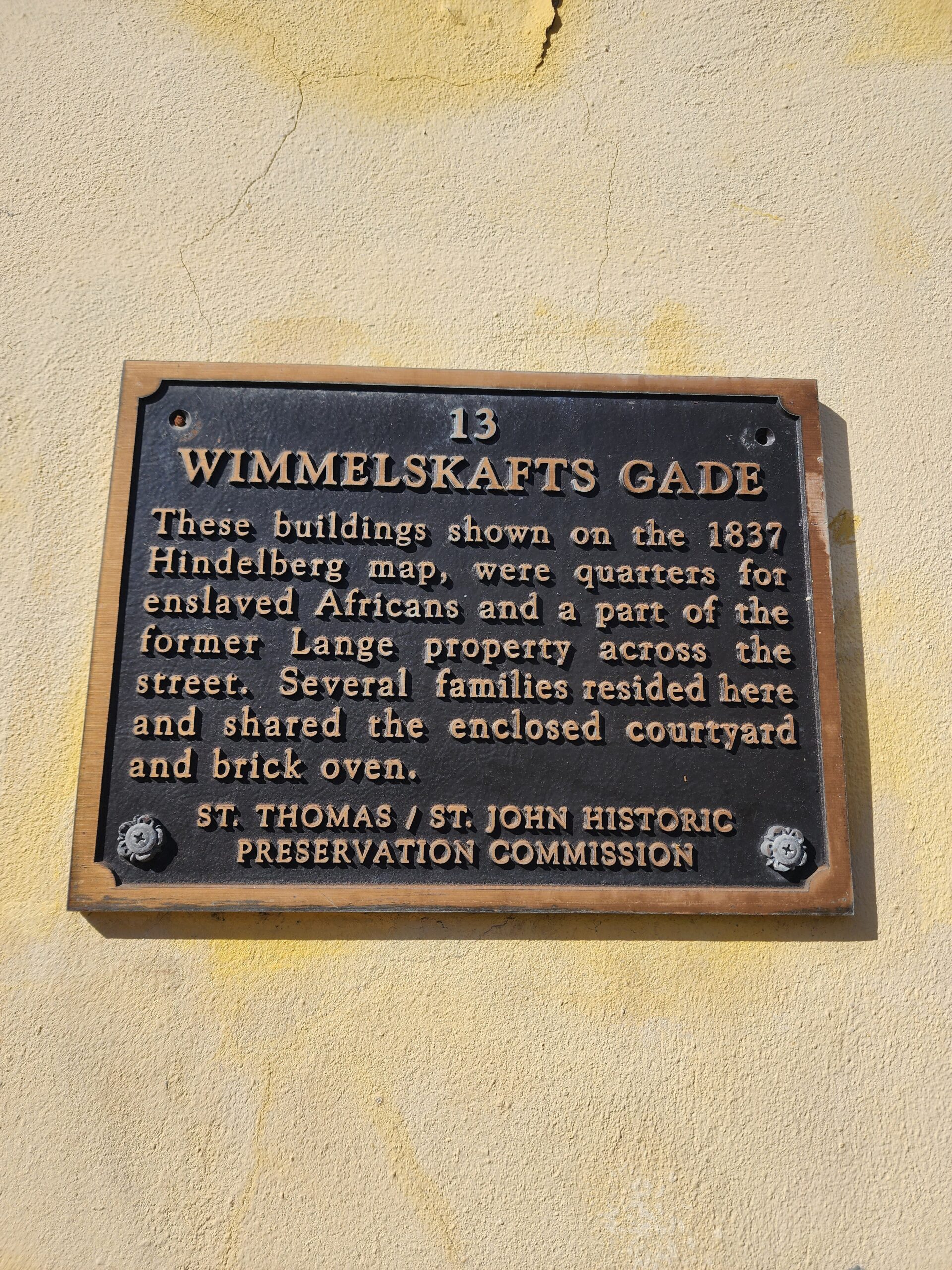
The museum at 13 Wimmelskafts is not a typical Caribbean souvenir hall. It is a curated collection of historic and cultural artifacts that reflect the full sweep of St. Thomas’s story — from the indigenous Taino people through the era of Danish colonialism and slavery, and into the vibrant West Indian culture that still endures.
Our collection spans hundreds of years and multiple continents. Old maps of the Danish West Indies sit alongside early island music recordings played on the sound system. Photographs of Charlotte Amalie’s streets from another century share space with artifacts that predate European settlement entirely. Every item has a story and connection to the island’s history.
Section 2: What’s in the Collection
Many Cultures, One Island
St. Thomas has been shaped by an extraordinary convergence of peoples — Taino, West African, Danish and American — and our collection aims to honor all of them. We don’t tell just one version of this island’s history. We tell all of them.
Taino & Pre-Colonial Artifacts Before the Danes arrived in 1672, before the slave ships came, before Charlotte Amalie had a name, the Taino people lived on these shores. Some pieces in our collection predate European contact entirely.
Maps & Documents of the Danish West Indies St. Thomas was a Danish colony from 1672 until 1917, when the United States purchased the Virgin Islands from Denmark. Our collection includes historical maps and documents from this era that illustrate the island’s role as one of the Caribbean’s most important free ports — a trading hub that made fortunes for some and put others in chains.
Photographs & Records of Old Charlotte Amalie The streets you walk today looked very different a century ago. Our photographic collection captures Charlotte Amalie in earlier eras — the waterfront, the warehouses that are now boutiques on Main Street, the everyday life of islanders whose descendants still call St. Thomas home.
West Indian Music Culture survives in sound. Alongside our physical collection, we regularly play early Caribbean and West Indian recordings through the museum’s sound system. Our team can walk you through the history of the music you’re hearing — from calypso to quelbe, the traditional music of the US Virgin Islands.
Private Collection: Available on Private Tours Some of our most extraordinary pieces are too fragile for everyday public display. On private tours, guests have the rare opportunity to see these items up close — including historical documents and papers connected to some of the most significant figures in Charlotte Amalie’s history.
Among them: materials connected to the family of Camille Pissarro, the Father of Impressionism, who was born right here in Charlotte Amalie on July 10, 1830. Pissarro spent the first 22 years of his life on this island, sketching the people, the markets, the tropical light, and the faces of Charlotte Amalie before eventually making his way to Paris, where he would become one of the most influential artists in the history of Western painting — mentor to Cézanne, Gauguin, Seurat, and Van Gogh, and the only artist to exhibit in all eight of the original Paris Impressionist exhibitions. The world knows him as a French master. We know him as a son of St. Thomas.
Section 3: Our Historians
The Stories Behind the Artifacts
An artifact without context is just an object. Our team of historians and guides are versed across the full breadth of the collection — the Taino heritage, the Danish colonial period, the slave trade, emancipation, the 1917 Transfer to the United States, and everything in between. When you visit, don’t be shy. Ask questions. These are stories worth hearing out loud.
Section 4: CTA
Visit the Collection — Free Admission
The museum and gardens at 13 Wimmelskafts are free to visit, every cruise ship day from 10am to 2pm. We are located on Wimmelskafts Gade (Back Street) in Old Town Charlotte Amalie, one block inland from Main Street and a short walk from the cruise ship taxi stand.
To arrange a private tour with access to the full collection — including the fragile historical documents not on public display — contact us here or call (340) 201-6069.